



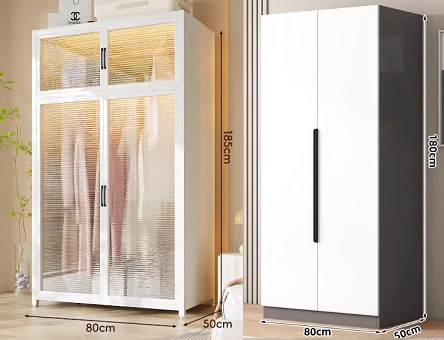





Container House for Worker Dormitory
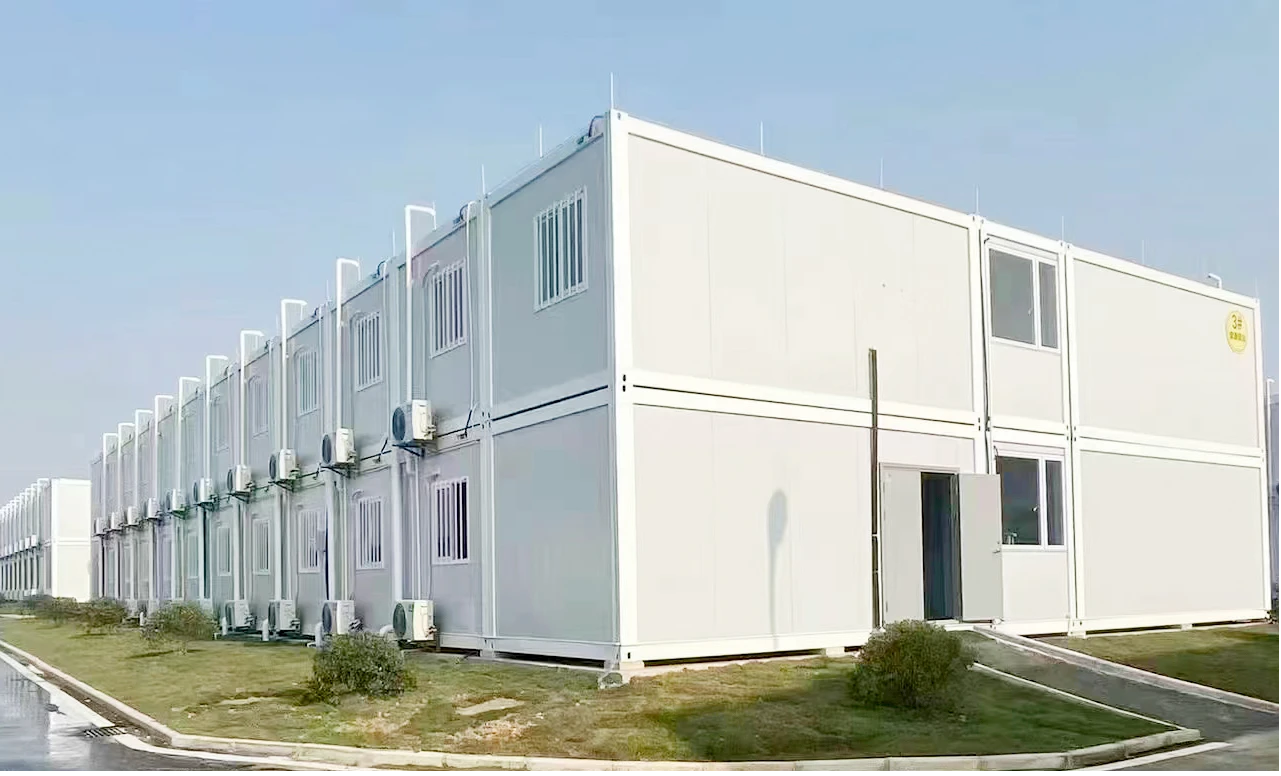
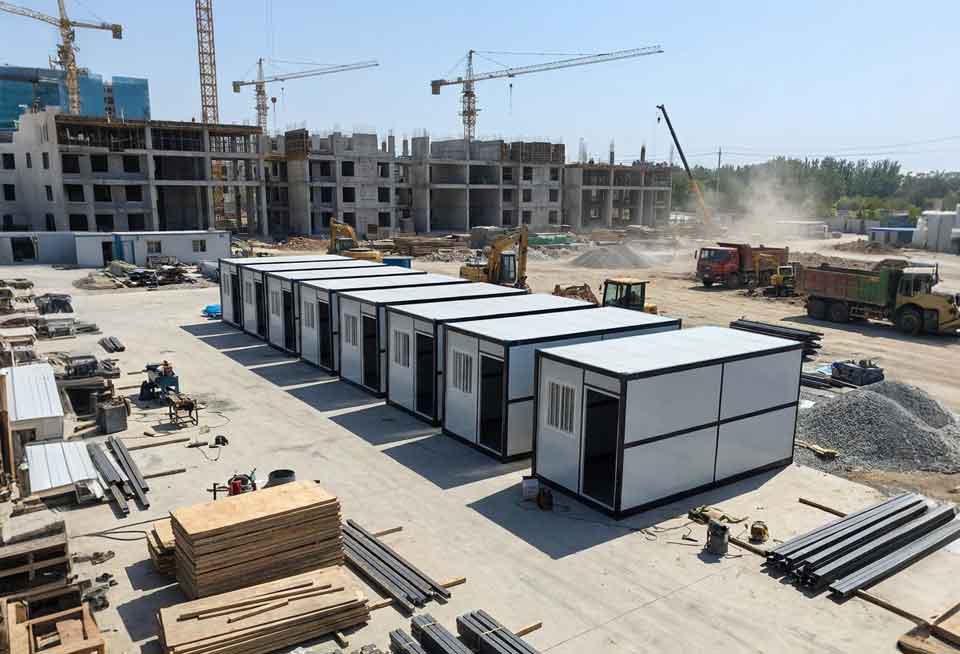
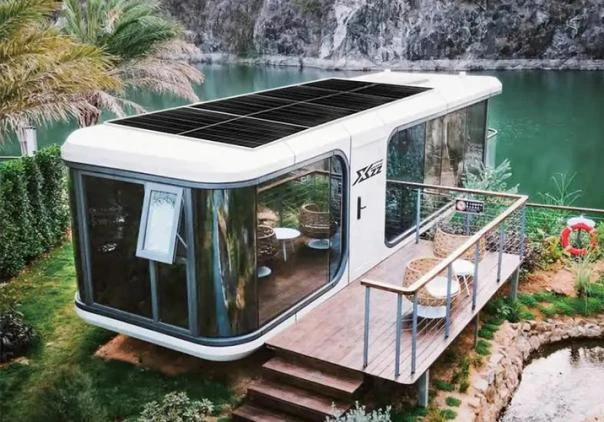
Container houses are a practical solution for worker dormitory projects because they can be delivered quickly, assembled efficiently and expanded according to labor demand. They are widely used for construction camps, mining sites, infrastructure projects and temporary staff accommodation.
A good dormitory solution should not only provide enough beds, but also create a manageable and comfortable living environment with proper circulation, ventilation, insulation and support facilities.
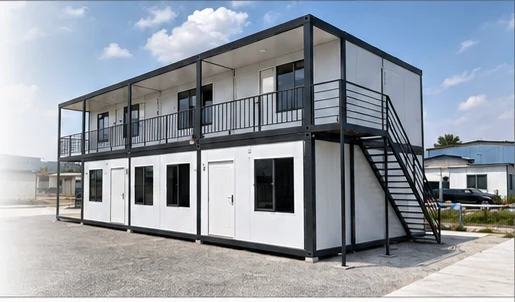
Main Advantages
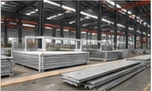
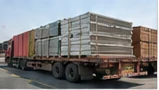
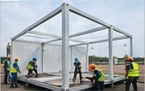
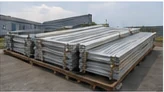
Worker dormitory projects usually require fast delivery, controllable cost and flexible room quantity. Modular container houses fit these needs well because the units can be shipped in batches, installed in phases and adjusted as the project grows.
This also makes later relocation or repeated project use easier than conventional buildings.
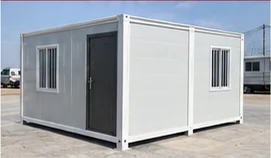
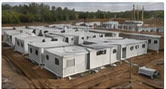
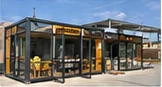
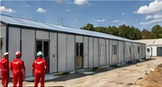
Common Dormitory Applications
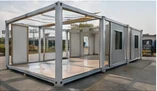


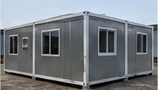
Layout and Living Functions
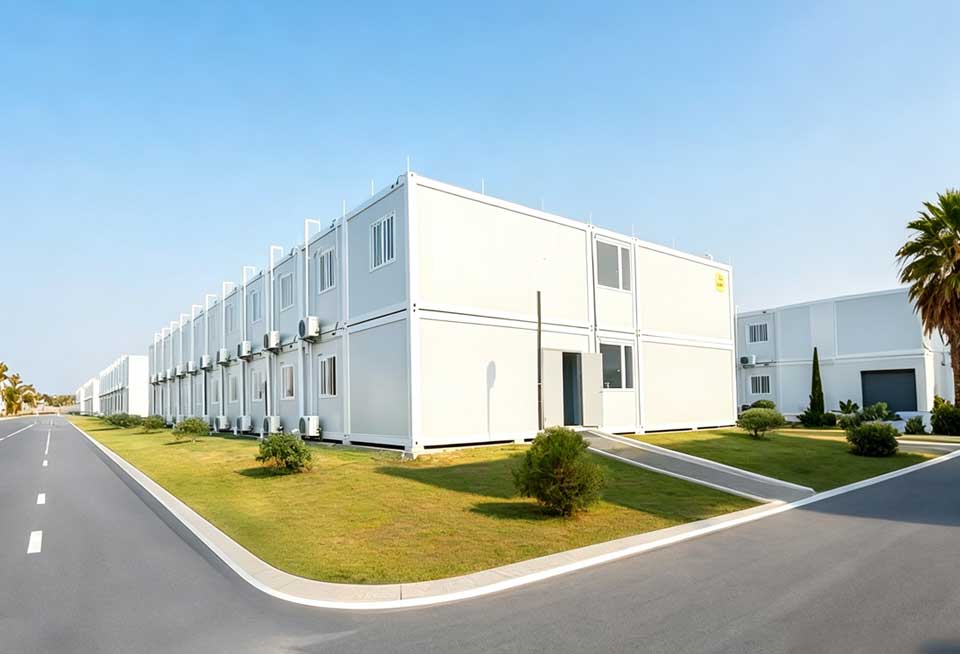
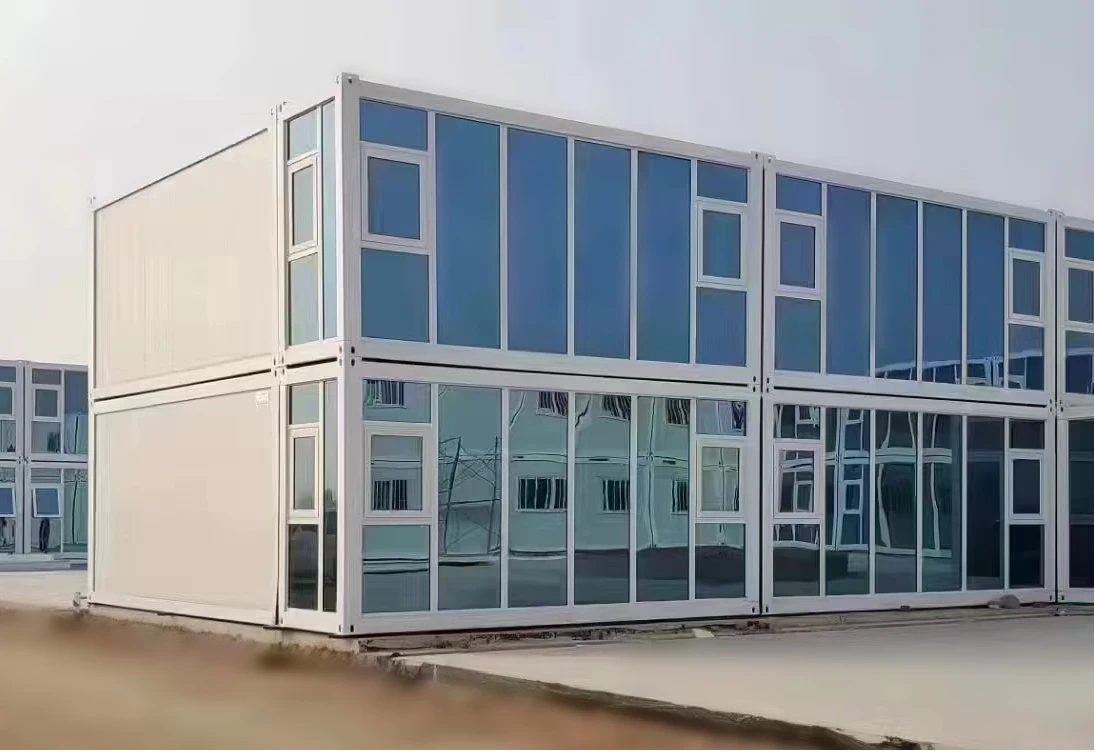
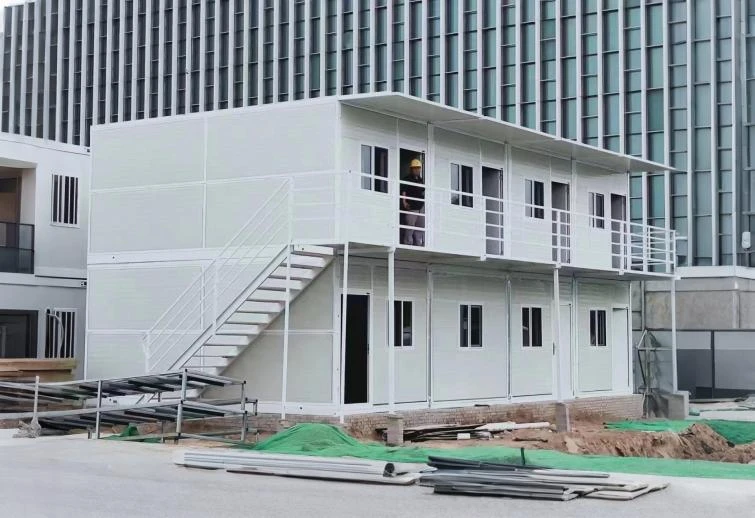
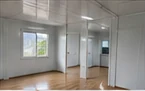
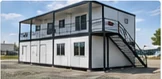
Worker dormitories should balance bed quantity and basic living quality. Typical dormitory blocks may include sleeping rooms, shower and toilet areas, corridor access, staircases, dining support and service space depending on project scale.

Advantages Compared to Other Container Houses
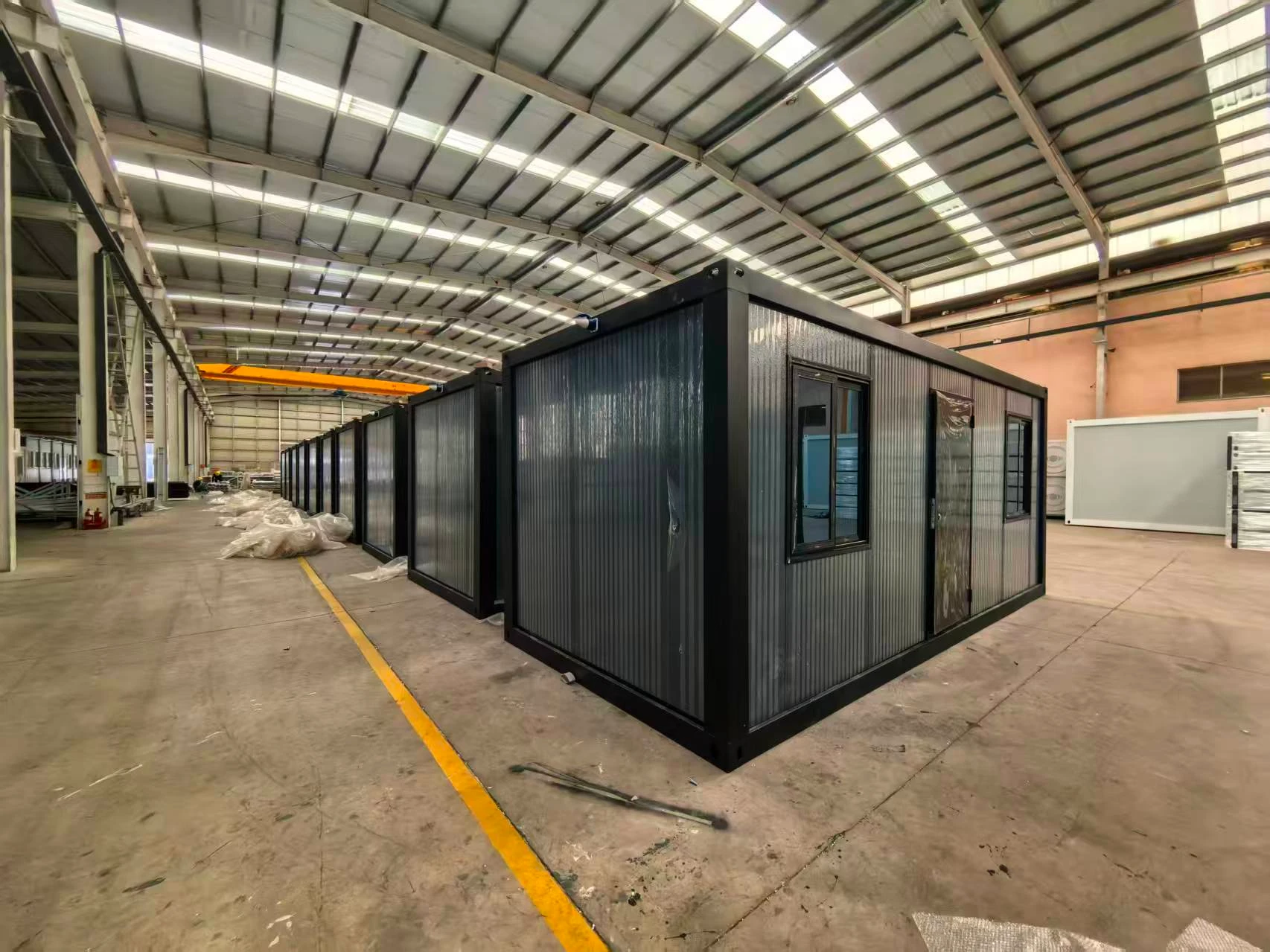
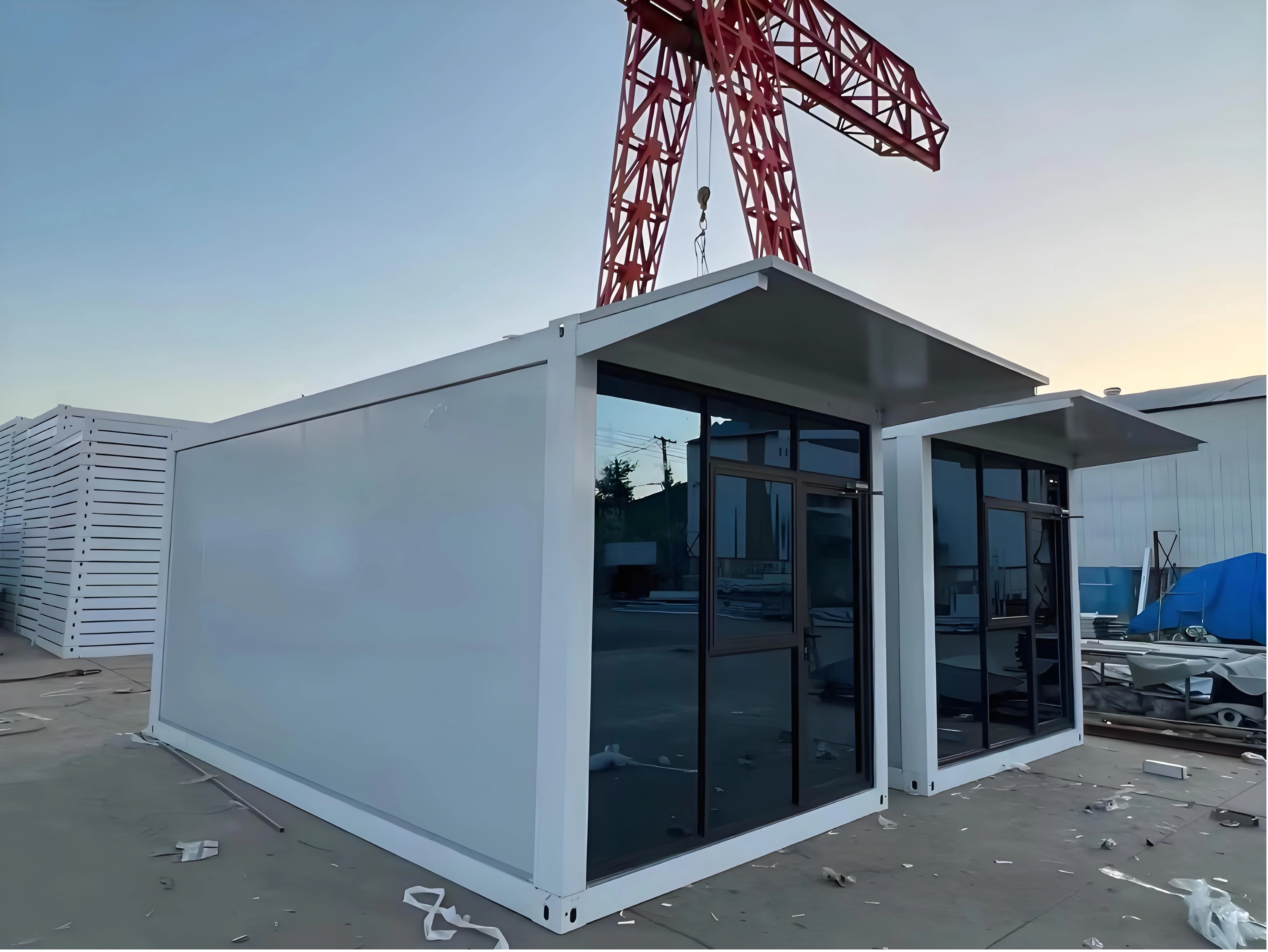
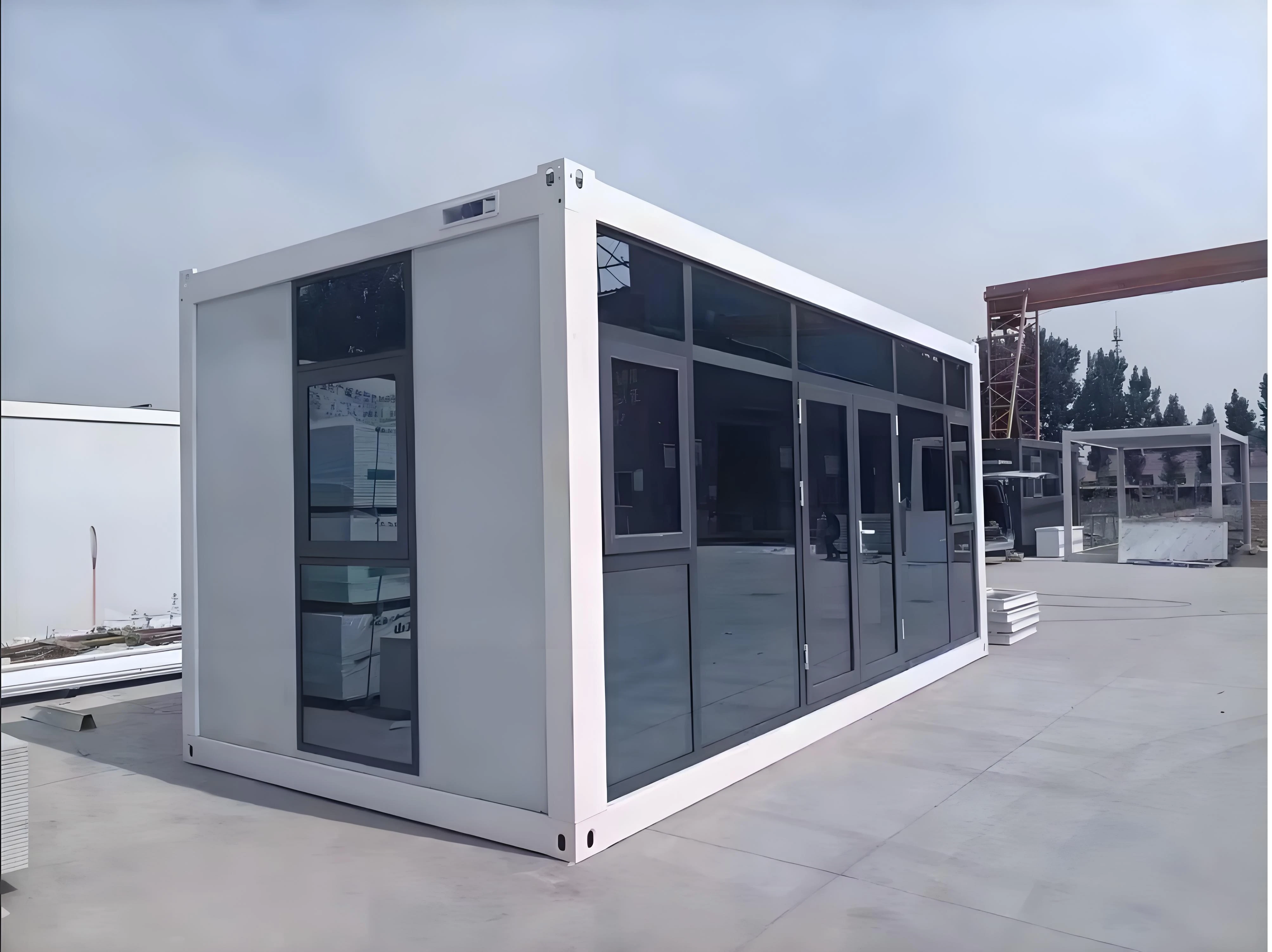
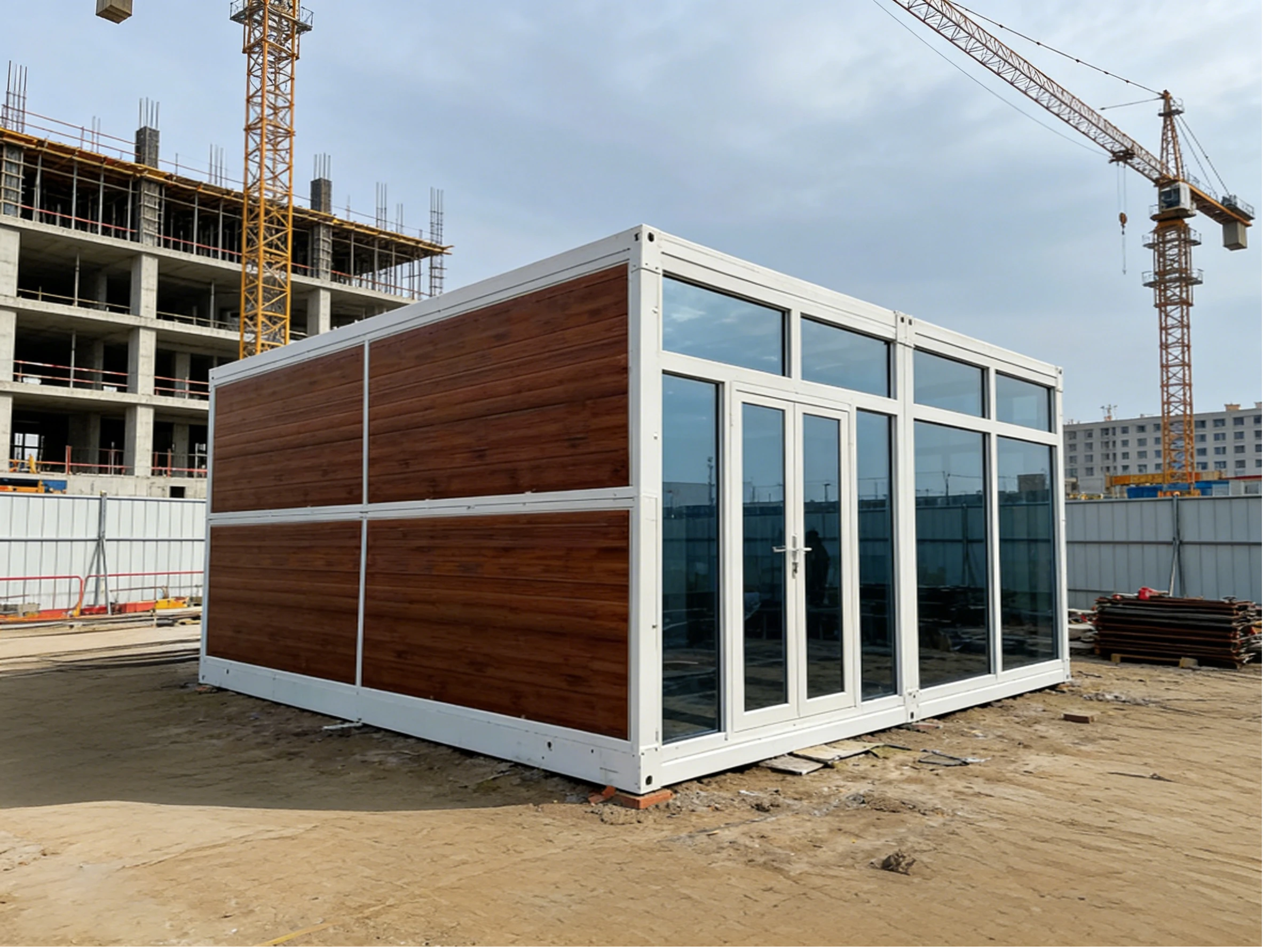
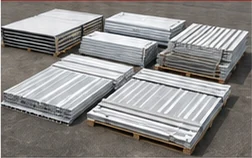
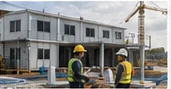
For worker dormitory projects, detachable container houses are often selected because they offer a balanced solution between transport efficiency, structural stability, customization and repeated use. The comparison below shows the main differences.
| Comparison | Detachable Container House | Traditional Welded Container House | Folding Container House | Flat Pack House |
|---|---|---|---|---|
| Transportation | Flat-pack shipping reduces volume and is efficient for international delivery. | Larger volume, higher shipping cost. | Compact when folded, easy to transport. | Flat-pack shipping, but usually bulkier components. |
| Assembly | Requires on-site assembly using bolts and connections. | No assembly required. | Very quick deployment. | Requires assembly but simple standard modules. |
| Structural Stability | High stability with steel frame and wall system. | High stability, fixed structure. | Good stability for temporary use. | Moderate stability. |
| Customization | Highly flexible in size, interior layout and function. | Limited customization. | Limited layout options. | Moderate flexibility. |
| Reusability | Can be disassembled and reused multiple times. | Not easy to disassemble. | Can be folded and reused. | Can be reused, but components may be limited. |
| Installation Speed | Moderate once teams know the system. | Ready to use. | Fastest option for quick deployment. | Faster than detachable units, but still requires installation. |
| Overall Advantage | Balanced solution with durability, flexibility and transport efficiency. | Durable but less flexible in transport. | Best deployment speed, but more limited long-term flexibility. | Cost-efficient and practical for standard camp design. |
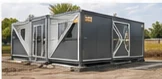
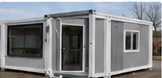
Project References


What Buyers Should Confirm
• Total worker quantity and room capacity requirement
• Whether toilets and showers should be integrated in the same block
• Climate, insulation and ventilation requirement
• Local installation resources and delivery condition
• Expected service life and future relocation demand
Conclusion
Container houses are an efficient way to build worker dormitory camps because they combine fast delivery, flexible room planning and practical site management. With the right structure type and layout, they can support both short-term camps and longer project accommodation.